
What is the relationship between tea and iron absorption? What does the research suggest?
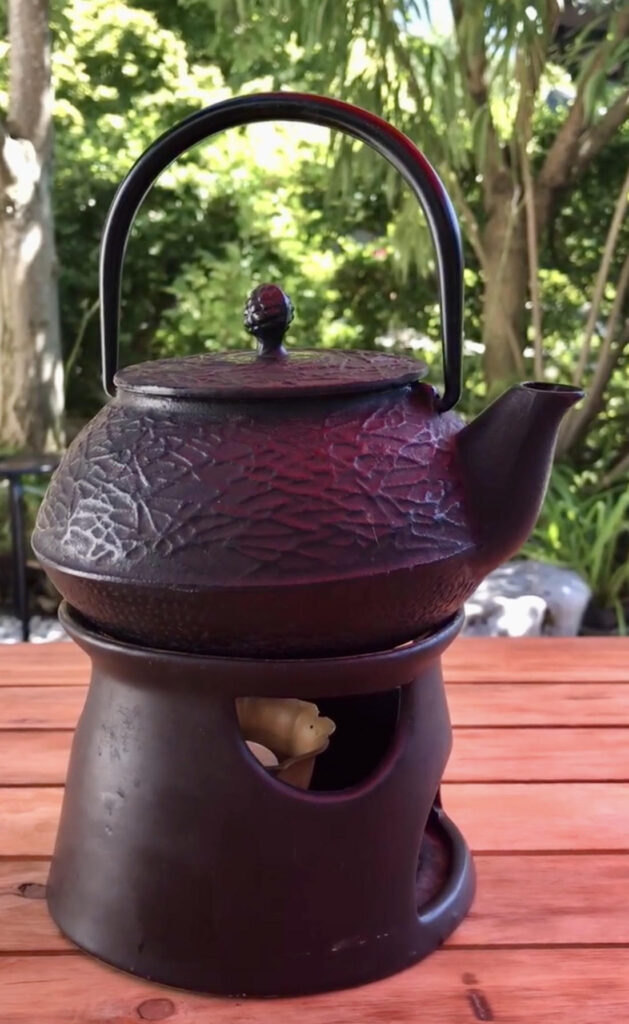
Most of us have heard about the potential health effects of drinking tea. While there are potential benefits, many popular sources, unfortunately, exaggerate them. An article in Harvard Medical Publishing sums up the research on tea and health this way: “Hundreds of studies have been published on the health effects of tea, but they don’t offer conclusive evidence….’But the overall direction of research indicates a potential benefit,’ Dr. Hu says” (Godman, 2025).
If you aren’t adding unhealthy levels of sweeteners to your tea, in general:
the health benefits of tea come with drinking two to four daily cups of green, black, or oolong tea. Other types of tea, such as the fermented tea known as pu-erh, might also be good for health, though the supporting evidence is more limited (Goldman, 2025).
As long as you don’t drink your tea (or any beverages) very hot–which may increase the risk of esophageal cancer (Roberts, 2026)–tea seems potentially beneficial. I’ve found drinking tea mindfully–and even using it as part of my meditation practice–has felt very supportive, too.
I was surprised, then, when my research about different nutritional deficiencies turned up some suggestions that tea (or coffee) may negatively impact some the absorption of some nutrients. In this post, I’ll focus on tea and iron absorption. Please, always consult your doctor about your concerns and issues to get the best medical advice for your situation. I’m NOT a doctor. Online reading (including this post) is no substitution for a medical expert’s advice. Knowing some of the research, however, can help us know when we should ask more questions.
Tea and Iron Absorption
Tea can affect the absorption of iron. Tannins are compounds found in tea. Their amounts very considerably based on the specific tea and preparation.
Tannins, research shows, can significantly reduce the absorption of non-heme sources of iron–notably, the type prevalent in vegetarian sources (Healthline; Nelson and Poulter). According to a study published in 2004, however, “the available evidence [suggests] there is no need to advise any restriction on tea drinking in healthy people with no risk of iron deficiency.”
For people at risk or suffering from iron deficiency, on the other hand, some research suggests that spacing non-heme iron sources at least an hour before or after tea helps with iron absorption (Nelson and Poulter; Fuzi, Koller, Bruggraber et al.). I’ve also seen other sources that suggest spacing tea two hours before or after meals. So, if you have concerns about low iron, this issue is worth discussing with your healthcare provider.
Works Cited
Fuzi, A., D. Koller, S. Bruggraber, D. Pereira, J. Dainty, S. Mushtaq. (2017).
“A 1-h time interval between a meal containing iron and consumption of tea attenuates the inhibitory effects on iron absorption,” American Journal of Clinical Nutrition. 106(6): 1413-1421.
Goldman, Heidi. (1 February 2025). “Does drinking tea really help health?” Harvard Health Publishing: Harvard Medical School.
Healthline. (n.d.) “Do Coffee and Caffeine Inhibit Iron Absorption?”
Nelson, M. and J. Poulter. “Impact of tea drinking on iron status in the UK: a review.” (2004). Journal of Human Nutrition and Dietetics. 17 (1): 43-54.
Roberts, Michelle. (8 September 2026). “Very hot drinks may damage the food pipe and increase cancer risk.” BBC.
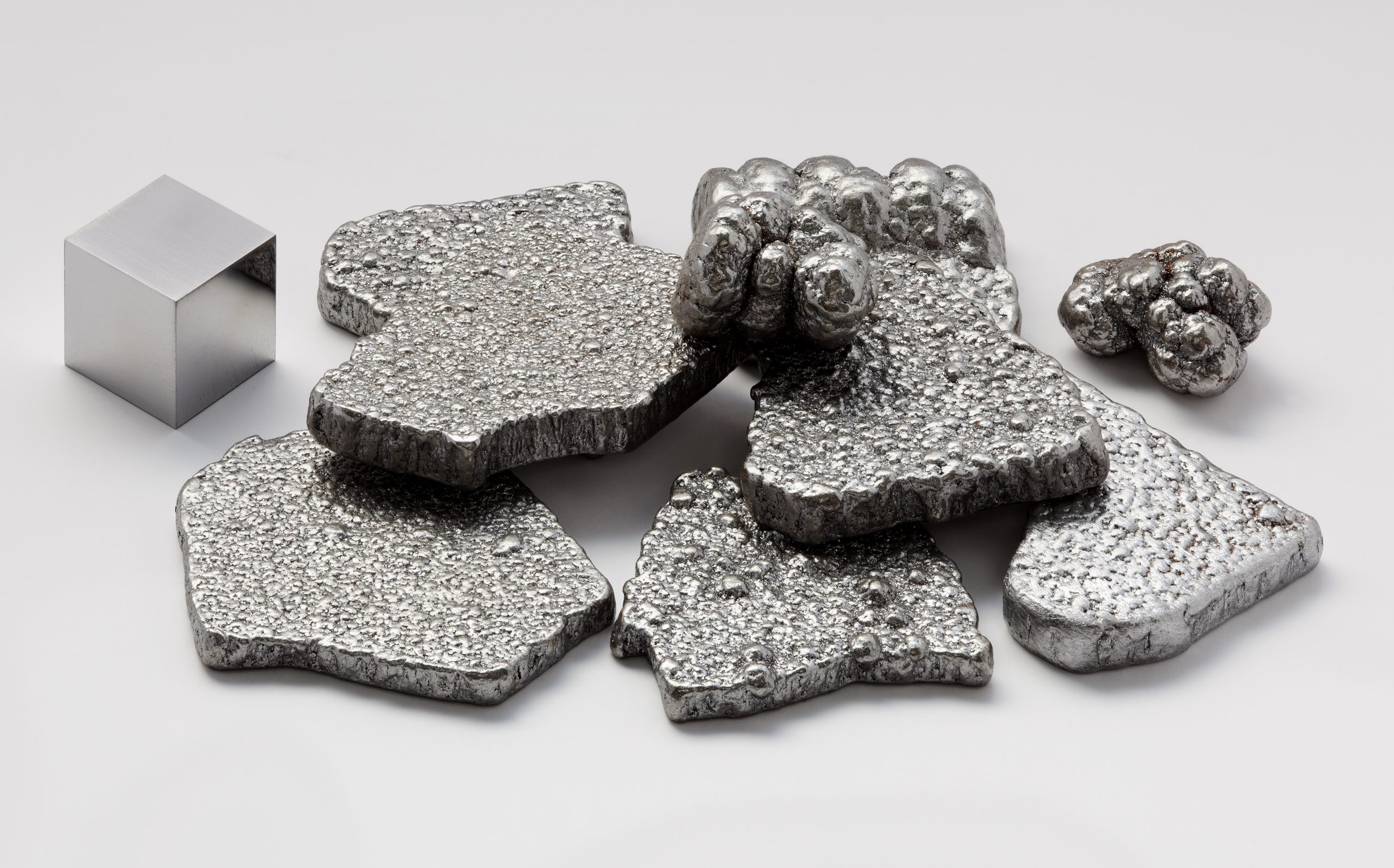
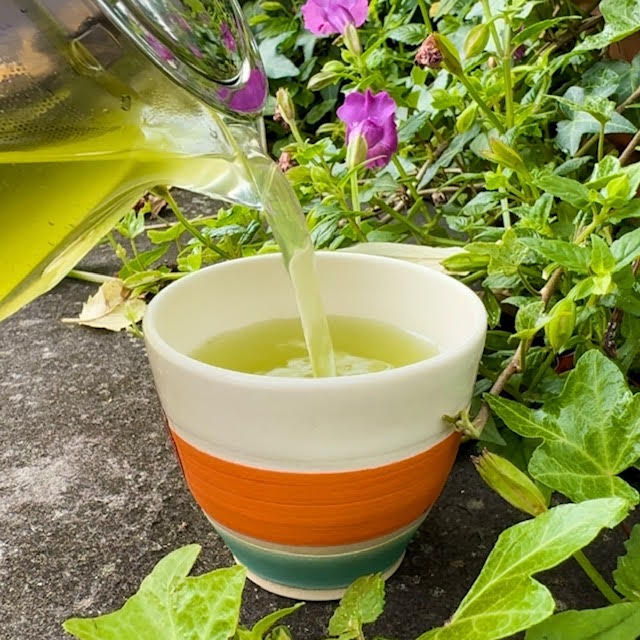
All photos in this post are my own except the photo of iron.
Photo of Iron: Wikipedia. Iron. Shared under Creative Commons. Copyright holder: Heinrich Pniok.