I’ve gathered together my herbal tea reviews.
I never knew I could love herbal teas until I discovered options beyond mint and chamomile.
I hope these herbal tea reviews help you discover new herbal choices or new ways to enjoy them!
 Tea Infusiast
I’ve gathered together my herbal tea reviews.
I never knew I could love herbal teas until I discovered options beyond mint and chamomile.
I hope these herbal tea reviews help you discover new herbal choices or new ways to enjoy them!
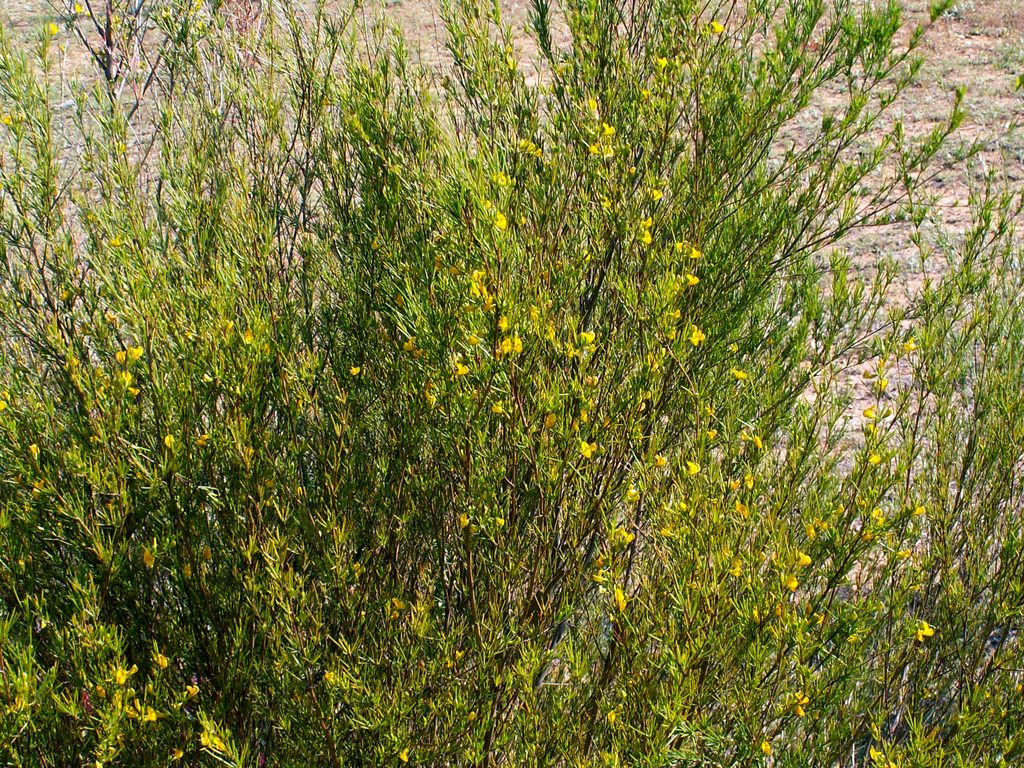
What’s the difference between rooibos and green rooibos teas? This post compares their origin, processing, appearance, and flavor profiles.
Rooibos, or red bush tea, is generally more well known then green rooibos. Both herbal teas come from Aspalathus linearis. This plant is “a South African shrub from whose leaves a tea (infusion) is made that is high in antioxidants, and has low tannin content and no caffeine” (American Botanical Council).
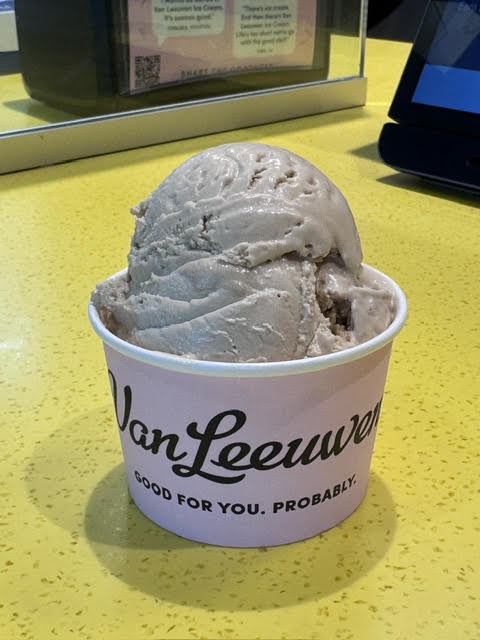
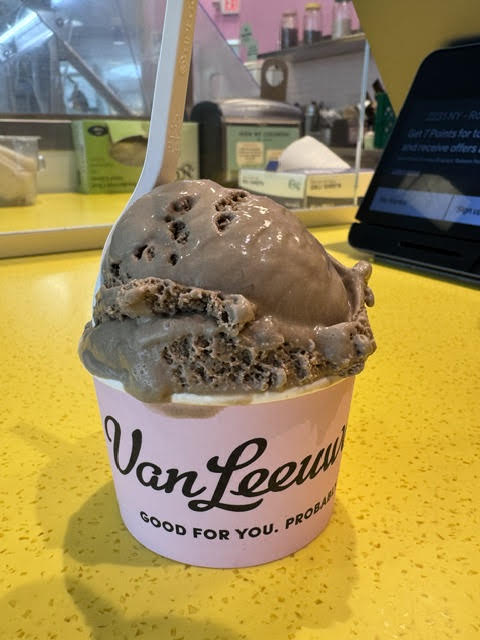
As I write, there are two flavors of tea ice cream at Van Leeuwen that I love.
Van Leeuwen is an ice cream chain that started in New York City. Now, you can find scoop shops across a large swatch of the United States and in Korea. According to their website, in the U.S. their name is pronounced “Van (like the car) Lou (like the name) Inn (like the hotel).”
I’ve been thinking about how to enhance your tea tasting.
There’s an underappreciated way to improve your ability to have a fuller tasting experience and clearer communication about tea. Simply put, it is increasing your exposure to a wider range of foods!
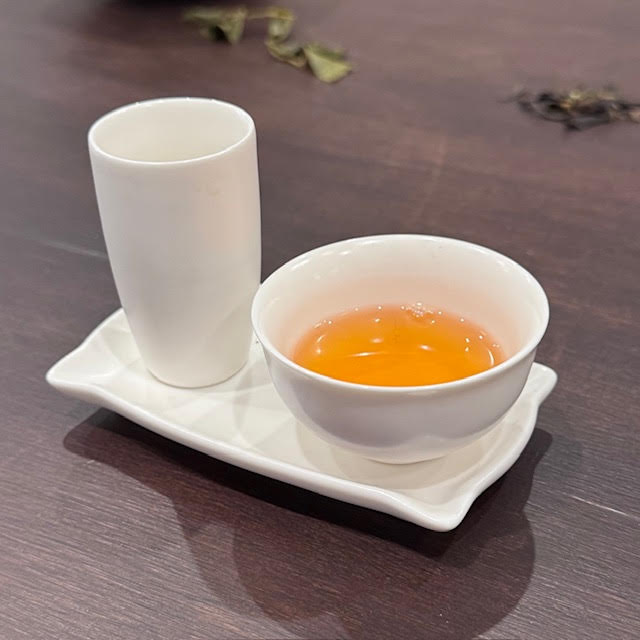
I love trying herbal teas, like burdock root tea, that don’t appear in the typical chain grocery store in the U.S. That’s partly because for years I thought I didn’t enjoy herbal tea. It turns out, I’m just not a big fan of mint or chamomile–probably the two most popular herbals in the United States.
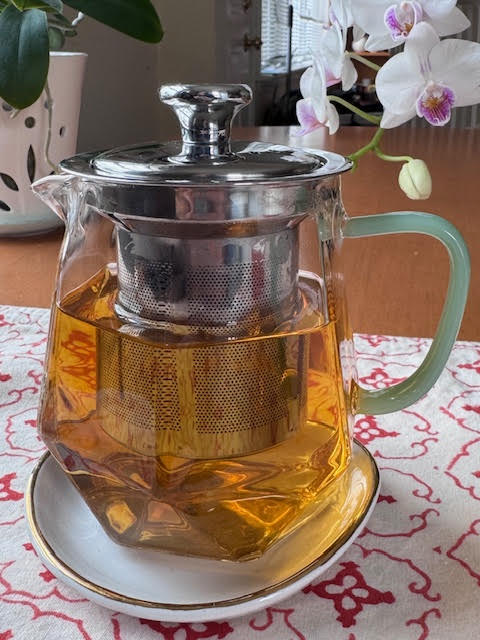
So, when one of my favorite tea companies, Soocha Tea, added a new herbal tea to their collection, I knew I had to try. Maybe it would be a new option to add to my Herbal Tea Recommendations!
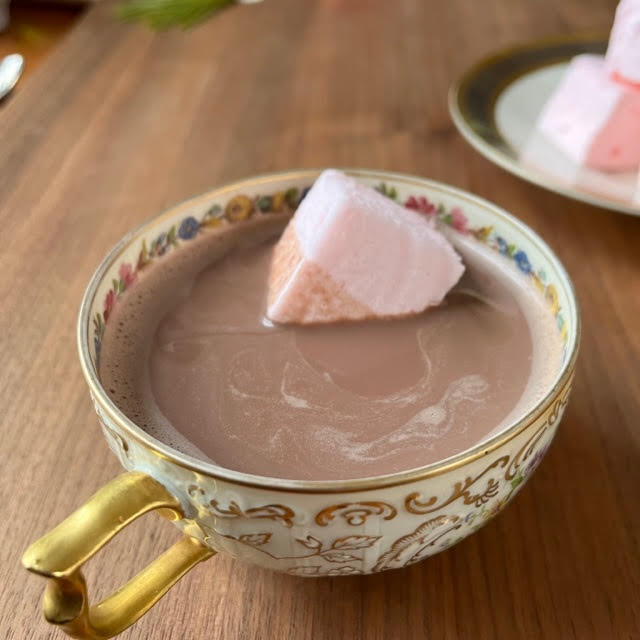
I’m delighted to share my favorite hot cocoa recipe!
Yes, I am a devoted tea drinker. But we also take homemade hot cocoa very seriously at my house! When my kids were growing up, we always made it on days it snowed. We still do. Of course, we also enjoy it on cold, snowless winter days.
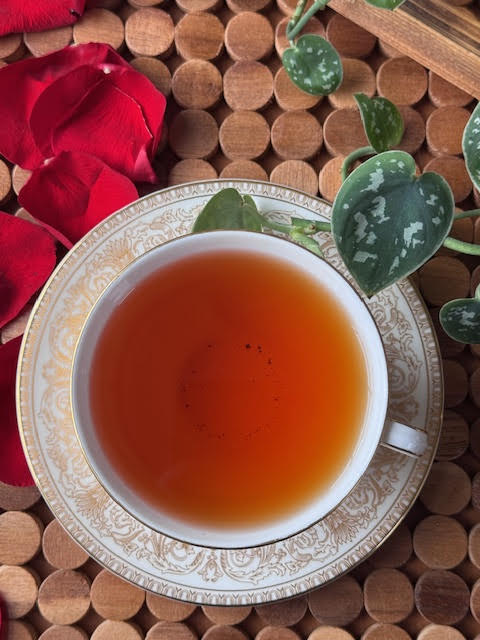
I’m sharing my review of Rose Label Gold from Nepal Tea Collective. I’ve been lucky enough to have had two delightful tea sessions, on different days, with this tea.
This black tea is from a special cultivar (BB157). It was grown in Nepal. Despite not being scented or having any flavors added, this tea has heady notes of rose and other lovely floral, spice, and citrus notes. It’s the alchemy of cultivar, terroir, weather, and processing!
This post shares my yellow tea tasting notes and explains what makes this less common category of tea so unique.
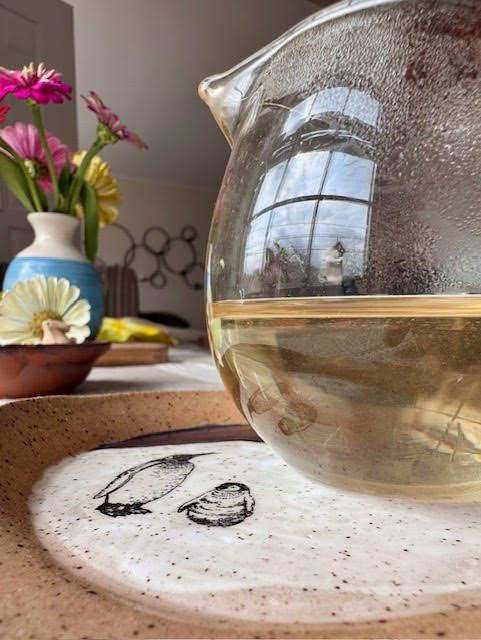
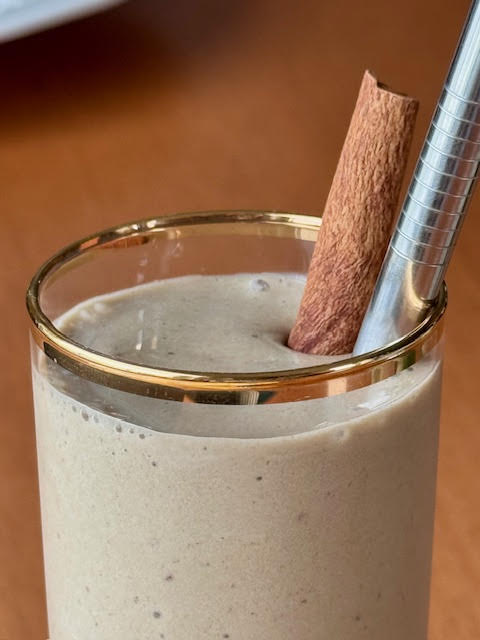
This recipe for a Hojicha Banana Smoothie is sweet and delicious without any added sugar. And, you can make it with only four ingredients! It’s a perfect summer treat–the frozen bananas give a luxurious texture and make it icy cold and refreshing.
The hojicha adds a delicious toastiness and complexity that compliments the natural sweetness from the ripe, frozen banana. Additionally, it provides that calm, steady energy from the caffeine and other compounds in tea.
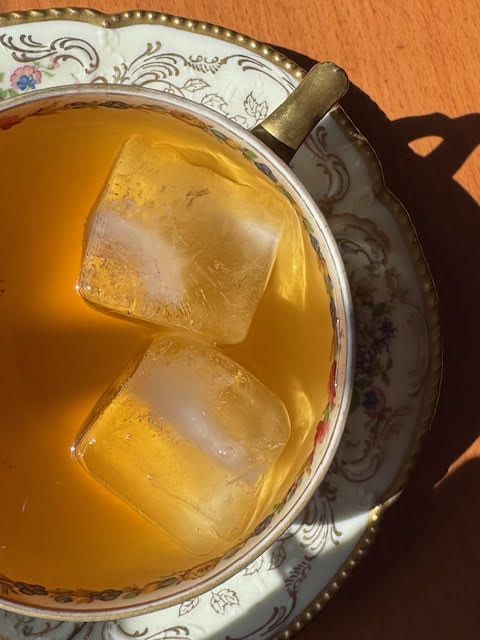
Here are 10 iced tea hacks to help you enjoy delicious, convenient, and beautiful iced tea.
I’ve spent years experimenting with iced tea and learning different techniques and tricks. I’d love to share them with you!
Make this the summer you treat yourself and your guests to wonderful iced tea. I’m here to encourage you and offer tips!